

How to Select an Outdoor Pellet Stove
A pellet stove for outdoor use is a convenient and economical alternative to traditional fireplaces that burn wood. Proper installation and maintenance will ensure safe and reliable operation.
Pellet stoves use an auger to feed fuel into a burn pot in which it is heated to create heat. The exhaust system then vents combustion gases out via the pipe.
Cost-Effective Heating
Pellet stoves are a low-cost option to other heating systems. They make use of renewable energy sources to heat your home and are carbon-neutral once they are burned. This makes them a more eco-friendly option when in comparison to other fuels, and is a major draw for many homeowners. Installing a pellet stove can be expensive, so be aware of your budget before making a decision.
They also let you to enjoy a warm fire without the need to constantly to stoke the flame or bring in and stack firewood. They burn pellets that are made from compressed biomass or organic materials like sawdust and wood byproducts. Because they are so compact, they require less storage space than traditional firewood, and produce much less creosote and ash than wood-burning stoves. They are produced under strict quality control and the pellets originate from trees that are harvested sustainably.
They can be used to heat a single room or an entire home, and they can be combined with a central heating system to facilitate zoned heating. They are perfect for supplementary heating in areas that are used frequently. They can help you save money by reducing central furnace usage.
Although they require electricity for operation A pellet stove for outdoor use can help you reduce your dependency on fossil fuels and promote a cleaner environment. This is a significant benefit for homeowners and the government frequently provides tax credits, incentives or rebates to encourage homeowners to switch to more sustainable heating options.
Since the health crisis, the cost of pellets has remained stable while other energy sources fluctuated. This stability has allowed pellet stoves to compete with other heating methods, even while they're not as efficient as a fireplace that burns wood or electric heat pump. In addition, it's possible to utilize pellet stoves with an electric heat source that can be used as a backup in the event of power outage, which can be an added benefit for homeowners who have.
Easy to Operate
Pellet stoves provide a more convenient user experience than traditional fire places that burn wood. They have thermostats that let you keep your desired temperature in the indoor in a controlled manner. They require less maintenance since they release less smoke and particulate matter. The burn pot of a pellet stove utilizes an auger to deliver the fuel to the burners, which produce a flame that ignites the pellets. A fan circulates heated air through the home, while a different fan lets any fumes that come from the stove to the outside via an opening or chimney.
When the flames have died down and the hopper is empty, simply add new pellets. Certain models self-ignite and do not require the use of a gel starter. However, you may make use of one if it is needed. Pellets are compressed and smaller than firewood, which means they're easy to handle and will not make the stove as messy as a fireplace made of wood or stove could be. Ash is also collected beneath the stove, and is easily removed.
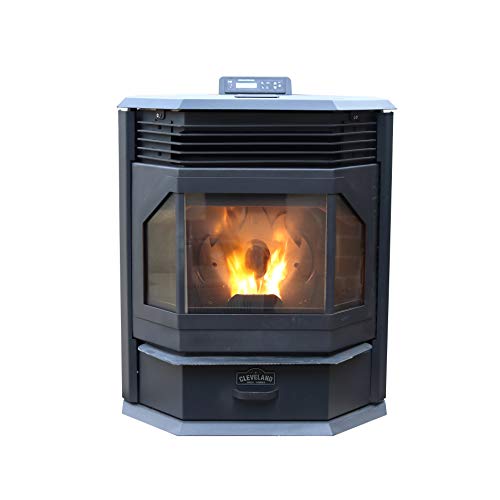
While pellet stoves do not produce as much heat as other heating systems, they are still quite efficient and can dramatically reduce energy costs. The most efficient pellet stoves are those that have been properly measured and maintained regularly.
It is essential to ensure that the pellets are ventilated to avoid any health problems. Furthermore, a wood pellet stove requires electricity to run the auger, fans and other parts, making it important to have a backup power source available in the event of an power failure.
This is why pellet stoves are an ideal option for homes that do not have chimneys, since it eliminates the need for a separate smoke extraction system. The majority of pellet stoves use less electricity, which can help cut your energy bills. Despite their efficiency and convenience pellet stoves must be properly installed in order to function properly. A professional installation and adequate ventilation are essential to ensure high performance and safety.
Versatile Design
When deciding on the ideal tower outdoor pellet stove for your needs, take into consideration several features to assist you in deciding which is right for your home. Find the stove with a high level of efficiency. The higher the rating, the more heat produced per pellet, which decreases energy costs. Also, pay attention to the size and capacity of the hopper. A larger hopper will reduce refills frequently, saving you time and money. Also, make certain to verify safety and maintenance features. Make sure you choose an enclosed flame design that is safe and an easy to clean ash pan, which makes cleaning easy.
Pellet stoves are more versatile than wood stoves because they don't require a chimney for ventilation. They produce less smoke and release combustion gases from the home using forced venting. They can be fitted in homes that have chimneys or a small flue pipe that is positioned at the front of the house.
Select a pellet stove with a large hopper to avoid needing to refill it often. You may also want to look into a heater with an electronic display so that you can easily monitor and control the stove from the distance. Find models that have remote controls and functions that can be programmed as well. These features let you keep your house warm and comfortable even when you're away from home.
This kind of heating source, which uses wood pellets that would have been wasted otherwise, is more environmentally friendly. However it is important to remember that pellet stoves depend on electricity to run their fans and auger. The stove is not able to function properly without electricity and could generate dangerous levels of carbon monoxide. It is crucial to have a backup power source in the event an outage. In addition, it is recommended to think about alternative heating methods in the event of power outages or a natural disaster.
Long Burning Time
A wood pellet stove is a great heating option for those who live in the colder climates, but it's important to keep in mind that this kind of heater is not meant to be your primary heat source. If you don't have enough ductwork to distribute the warm air generated by this kind of stove, it is recommended that you have another form of heat as an alternative in the event of power failures or other situations beyond your control.
Wood pellet stoves are an eco conscious alternative to traditional wood-burning fireplaces They are also capable of burning a variety of organic materials. pellet stove fireplace are a great choice for homeowners looking to reduce their carbon footprint as well as maintain an inviting, warm home in winter. They burn renewable natural resources, and produce little pollution.
Pellet stoves are akin to furnaces in the sense that they have thermostatic controls which automatically maintain the desired temperature in accordance with your settings. In contrast, most wood stoves require manual operation to alter the output of heat.
The pellet stove's hoppers typically contain enough fuel to last one to two days of use. Additionally, most have built-in fans that help distribute the heat throughout your home. This allows for a uniform distribution of heat, and makes the stove less susceptible to dust.
One drawback to wood pellet stoves is that they require an ongoing supply of pellets to keep the fire burning and you could run out of pellets if don't prepare ahead. It's best to purchase lots of pellets before winter sets in to ensure you don't run out before the season ends.
It is also essential to regularly clean your stove and empty the ash pan. Regular cleaning helps to prevent the buildup of harmful creosote and ensures that your stove functions efficiently. You should also keep your pellets in a location that is dry to avoid damage caused by moisture. You should be aware that fireplaces burning wood emit small amounts carbon monoxide which can accumulate in airtight and enclosed spaces over time. Be sure to install carbon monoxide detectors in your home and have it maintained at least once a year.